5 Effective Communication Strategies for Both Introverts & Extroverts
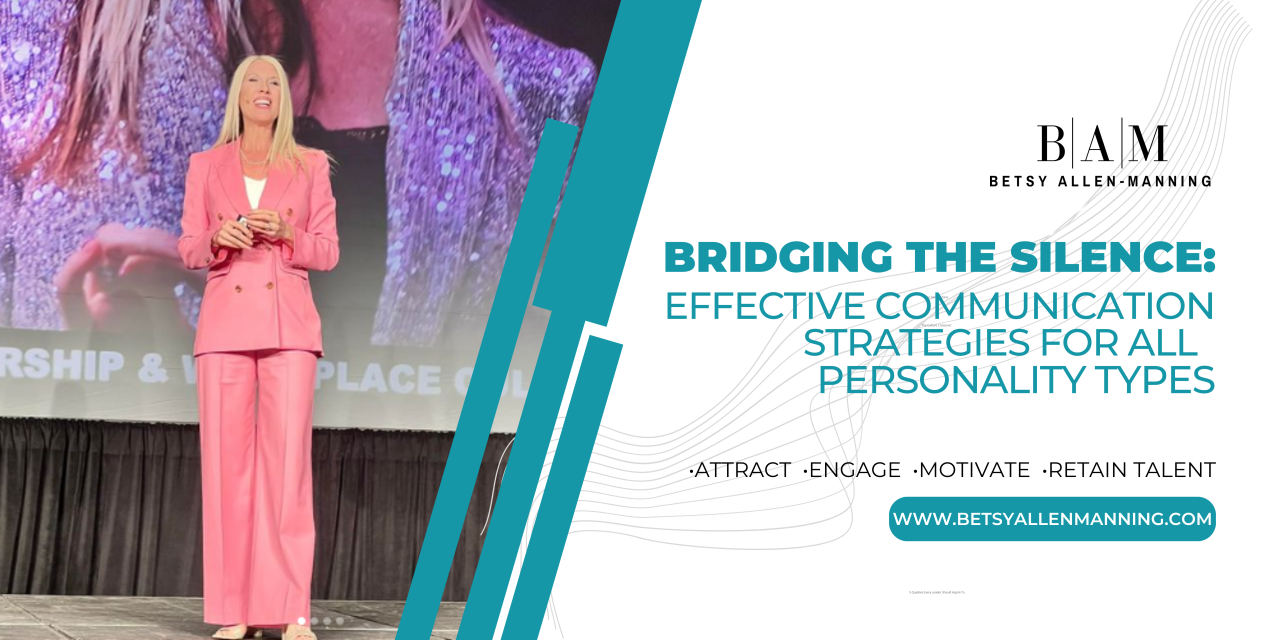
Do you ever struggle to communicate with coworkers who have completely opposite personality styles? In any workplace, there are bound to be a mix of personalities. Some people are outgoing, while others are more reserved. These two personality types are commonly known as introverts and extroverts, and while they are both important to any team, they often struggle to understand one another. In this article, we will explore the communication gap that exists between introverts and extroverts at work, and how we can bridge that gap to produce a more effective team.
1. Understand the Differences Between Introverts & Extroverts
Introverts tend to be more reserved and introspective, while extroverts are more outgoing and thrive on social interaction. It is important to understand that these personality traits are not a choice – they are inherent aspects of a person’s character. Understanding and accepting these differences is the first step in building a strong team that includes individuals with a variety of strengths.
2. Build Trust
Building trust is essential to a successful team, and introverts and extroverts may approach this differently. Introverts may take longer to open up and share their thoughts and ideas, while extroverts may be more outgoing and eager to connect. To build trust with introverts, ensure that you provide them with a safe, quiet environment where they can feel comfortable expressing themselves. For extroverts, encourage collaboration and communication within the team.
3. Use Technology To Bridge The Gap
In today’s world, technology provides numerous ways to bridge the communication gap. Video conferencing, instant messaging, and email are all great ways to communicate without needing to meet in person. In addition, there are numerous apps and tools available that can help facilitate communication and collaboration between team members. By taking advantage of these resources, you can create a more connected and efficient team.
4. Create Opportunities for Both Personality Types to Shine
Introverts may not speak up in a group meeting, but that does not mean they do not have valuable ideas to contribute. Extroverts may be able to sell a project, but may not have the attention to detail required to see it through to completion. It is important to create opportunities for both personality types to shine, whether it’s through group brainstorming sessions or individual project contributions. By acknowledging and valuing contributions from both personality types, you can create a strong and balanced team.
5. Recognize the Strengths of Each Personality Type
Finally, it is important to recognize and celebrate the strengths of each personality type. Introverts are often highly focused and analytical, while extroverts are great at building relationships and networking. By acknowledging and celebrating these strengths, you can build a strong and cohesive team that can tackle any challenge.
Building a cohesive team that includes both introverts and extroverts will result in a workplace culture that is more productive, efficient, and innovative. So, why not start implementing these tips today and see the positive results tomorrow! Creating a winning company culture takes effort, but it's well worth it. At
Corporate Culture Training Solutions, your company culture is our top priority. We help your leaders build an attractive, purpose-driven culture that people don’t want to leave. Contact us to learn about our leadership development and team-building programs, as well as our signature Leadership & Culture Shift program!
About Betsy:
Featured on
FOX, CBS, NBC, and ABC, Betsy Allen Manning is a high-energy leadership keynote speaker and workplace culture strategist who equips organizations across corporate, franchise, association, non-profit, and government sectors to develop high-achievers, high-impact leaders and high-purpose cultures. Through her
national workplace research and
DNA Activation Framework, she delivers data-backed, high-interaction keynote presentations and workshops that strengthen performance, leadership, and retention. Betsy is also the founder of Destination Workplace™, an award-winning leadership training company in Dallas, trusted by some of the world's most elite brands nationwide.